How do truckers communicate? | The Evolution of Communication Among Truck Drivers
Published: 02.02.2025
In the vast network of highways that crisscross the country, truck drivers navigate their way through long stretches of road, often isolated from the world around them. Yet, despite the solitude of their journeys, truckers have developed a sophisticated system of communication to stay connected with each other and with the outside world. From the early days of CB radios to the modern era of digital communication , the evolution of how truckers communicate reflects both the technological advancements and the unique culture of the trucking industry.
Truck drivers rely on communication not only for practical purposes, such as navigating traffic or coordinating deliveries, but also for companionship and camaraderie during long hours on the road. The ways in which truckers communicate have evolved over time, influenced by changes in technology, regulations, and the social dynamics of the trucking community. Understanding the history and current practices of communication among truck drivers provides valuable insights into this vital aspect of their profession.
Join us on a journey through the evolution of communication among truck drivers, from the iconic "10-4" of CB radio days to the digital platforms and apps that are shaping the future of trucking communication. Explore the challenges and innovations that have shaped the way truckers connect with each other and with the world around them, and discover the enduring importance of communication in the life of a truck driver.



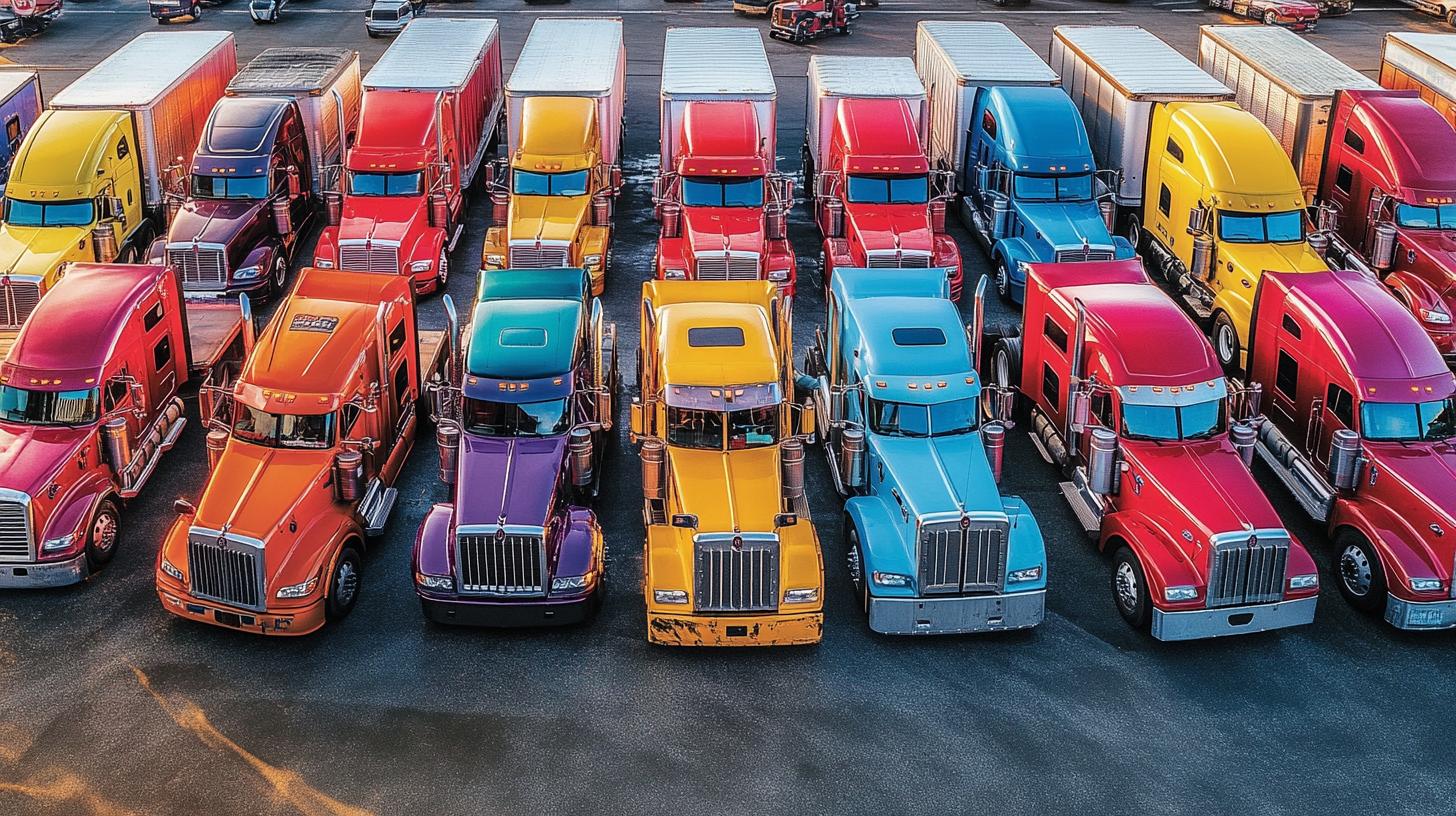


Traditional Methods of Communication
Truck drivers have long relied on a variety of traditional methods of communication to stay connected while on the road. One of the most common methods is the use of citizens band (CB) radios. CB radios allow truckers to communicate with each other in real-time, sharing information about road conditions, traffic, and other important updates. These radios have specific channels designated for truckers, making it easy for them to connect with one another.
Another traditional method of communication among truck drivers is the use of hand signals. Before the widespread use of technology, truckers would use hand signals to communicate with each other on the road. These signals could convey simple messages such as signaling to pass or indicating a need to stop.
In addition to CB radios and hand signals, truckers also utilize roadside signs and signals to communicate with each other. These signs, often posted at truck stops or rest areas, can provide information about available services, parking availability, and other important details for truck drivers.
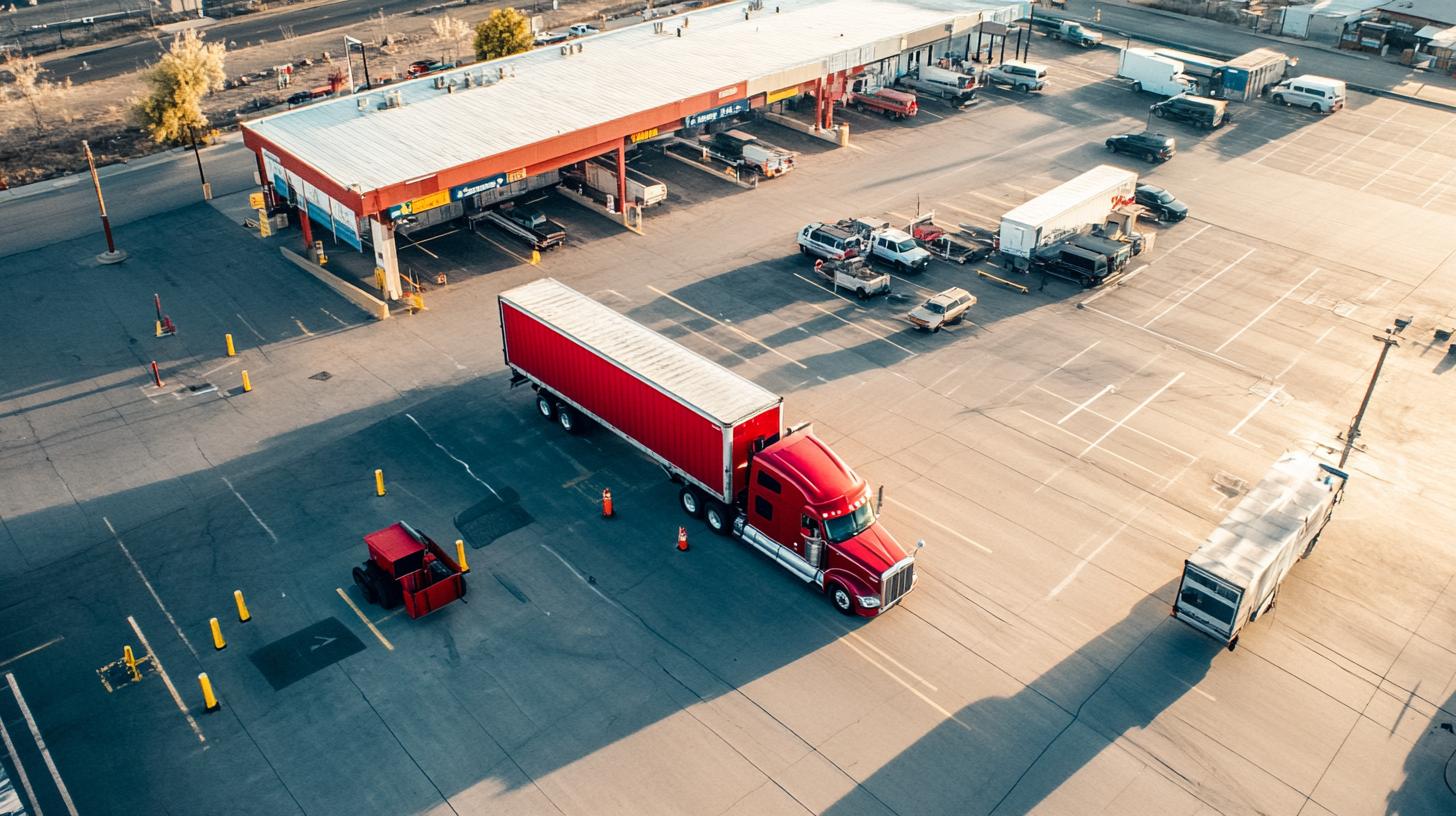

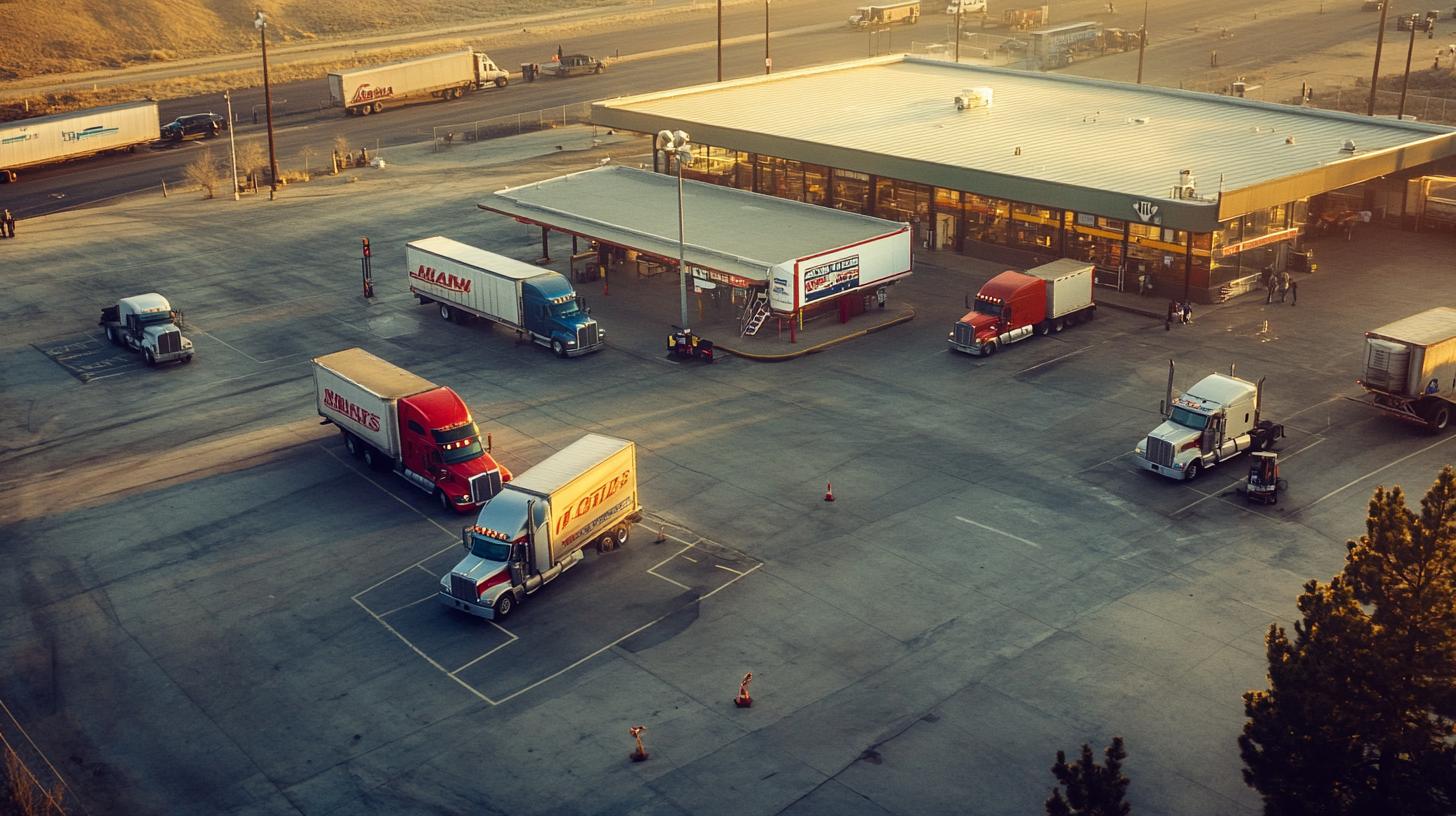

Overall, these traditional methods of communication have been essential for truckers to stay informed and connected while on the road. While technology has introduced new ways for truckers to communicate, these traditional methods still play a significant role in the trucking industry.
Modern Technologies in Communication
In the ever-evolving world of trucking , communication plays a crucial role in ensuring the smooth operation of logistics and transportation. Truck drivers have long relied on various methods to communicate with each other and with their dispatchers, but with the advancement of technology, new tools and platforms have emerged to enhance communication among truckers.
One of the most significant advancements in communication for truck drivers is the use of mobile phones and smartphones. These devices have revolutionized the way truckers stay connected while on the road. With the ability to make calls, send messages, and access the internet, truck drivers can communicate with their colleagues, receive real-time updates on routes and weather conditions, and stay connected to their families back home.

Another important technology that has transformed communication in the trucking industry is the use of GPS and navigation systems. These tools not only help truck drivers navigate unfamiliar routes efficiently but also enable them to share their location with others in real-time. This real-time tracking feature enhances safety and allows for better coordination among drivers and dispatchers.
Additionally, the rise of social media platforms and specialized communication apps tailored for truckers has provided a new way for drivers to connect with each other, share experiences, and seek advice. These platforms create a sense of community among truckers, allowing them to support each other and stay informed about industry news and developments.
As technology continues to advance, the future of communication among truck drivers looks promising. From the integration of artificial intelligence and voice recognition systems to the development of smart communication devices specifically designed for the trucking industry , the possibilities for enhancing communication in the world of trucking are endless.
Challenges and Solutions
The evolution of communication among truck drivers has brought about both challenges and solutions in the industry. One of the main challenges faced by truckers is the need for real-time communication while on the road. With long hours spent driving and varying schedules, staying connected can be difficult. However, advancements in technology have provided solutions to this challenge.
One of the solutions that truckers have adopted is the use of CB radios. CB radios have been a staple in the trucking industry for decades, allowing drivers to communicate with each other on the road. While CB radios are effective for short-range communication , they have limitations in terms of coverage and privacy.
To address the limitations of CB radios, many truckers have turned to mobile phones and apps for communication . Mobile phones provide a more versatile and reliable means of communication, allowing truckers to stay in touch with their peers, dispatchers, and loved ones. Additionally, the use of messaging apps specifically designed for truckers has become increasingly popular, offering features such as location sharing, group chats, and load tracking.
Despite the advancements in communication technology, truckers still face challenges such as poor network coverage in remote areas and distractions while driving. To overcome these challenges, trucking companies are investing in solutions such as satellite communication systems and hands-free devices. These technologies help ensure that truckers can stay connected safely and efficiently while on the road.
In conclusion, the evolution of communication among truck drivers has presented both challenges and solutions. By leveraging advancements in technology and adopting new communication tools, truckers can overcome obstacles and stay connected in an ever-evolving industry.
Future Trends in Truckers Communication
As technology continues to advance at a rapid pace, the future of communication among truck drivers is set to undergo significant changes. One of the key trends that is expected to shape the way truckers communicate in the future is the integration of artificial intelligence (AI) and Internet of Things (IoT) devices into their daily operations. These technologies will enable real-time tracking of shipments, efficient route planning, and improved communication between drivers and dispatchers.
Another emerging trend in truckers' communication is the use of mobile apps specifically designed for the trucking industry. These apps provide drivers with up-to-date information on road conditions, weather forecasts, and nearby amenities such as truck stops and rest areas. They also facilitate communication with other drivers, allowing for the exchange of tips and information about the best routes to take.
In addition, the rise of autonomous vehicles is expected to revolutionize the way truckers communicate on the road. With the development of self-driving trucks , communication between vehicles will become more automated and seamless, leading to increased efficiency and safety on the highways.
Furthermore, the implementation of 5G technology is poised to enhance communication capabilities for truckers, enabling faster and more reliable data transmission. This will enable drivers to stay connected at all times, improving their ability to communicate with their fleet managers and respond quickly to changing circumstances on the road.
In conclusion, the future of communication among truck drivers is likely to be shaped by a combination of advanced technologies such as AI, IoT, mobile apps, autonomous vehicles, and 5G. These innovations will not only streamline communication processes but also enhance the overall efficiency and safety of trucking operations in the years to come.